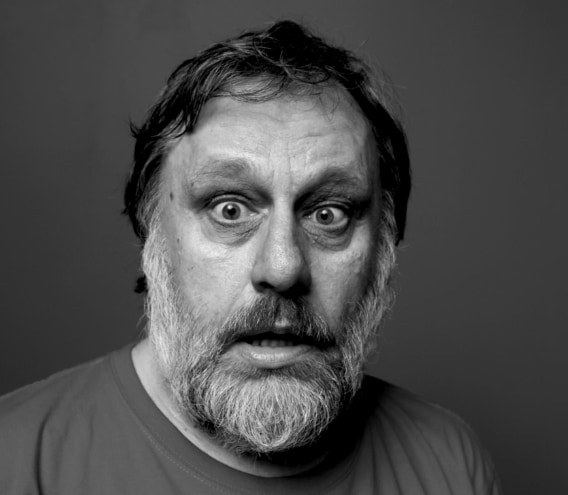
I should post this at least once a year because it only increases in relevance. Slavoj Žižek on Donald Rumsfeld’s unknown unknowns:
If Rumsfeld thinks that the main dangers in the confrontation with Iraq were the “unknown unknowns,” that is, the threats from Saddam whose nature we cannot even suspect, then the Abu Ghraib scandal shows that the main dangers lie in the “unknown knowns”—the disavowed beliefs, suppositions and obscene practices we pretend not to know about, even though they form the background of our public values.
The seeds of what we think of as obscene today—the brutality in Minneapolis, the casual cruelty shown to immigrants, the overturning of international orders—were sown long ago. But we refused to believe that they would sprout here like they had in so many other places; like the soil here was different.
Word of the Day: お粗末
My youngest and I are learning Japanese. Today we learned the word お粗末 (osomatsu), meaning “poor” or “ill-prepared.” It’s 謙譲語 (kenjougo; humble language) said by the preparer of a meal when someone thanks them for it.
- Customer: ごちそうさまでした (thank you for all the effort you put into preparing the meal)
- Cook: お粗末さまでした (sorry that it was so poorly prepared)
The literal translations make it sound more dramatic than it is, though. It’s really just “thanks for the food” and “it was nothing.”
There’s an interesting connection between Abu Ghraib and 謙譲語, though, isn’t there? They both touch things that we pretend not to know.
The cook knows the food was good, and the customer knows the cook knows. They say those things regardless, because even stylized performative politeness smoothes interaction and shows respect.
Abu Ghraib wasn’t a surprise to people who understood how military detention worked, either. We knew what would happen when we gave young soldiers power over the lives of prisoners, and took away any oversight.